The Role of Algorithmic Refresh Rates in Shaping In-Play Odds for Goals, Finishes, Breaks, and Quarters at Top Betting Platforms
Riley Otto · Jul 29, 2026
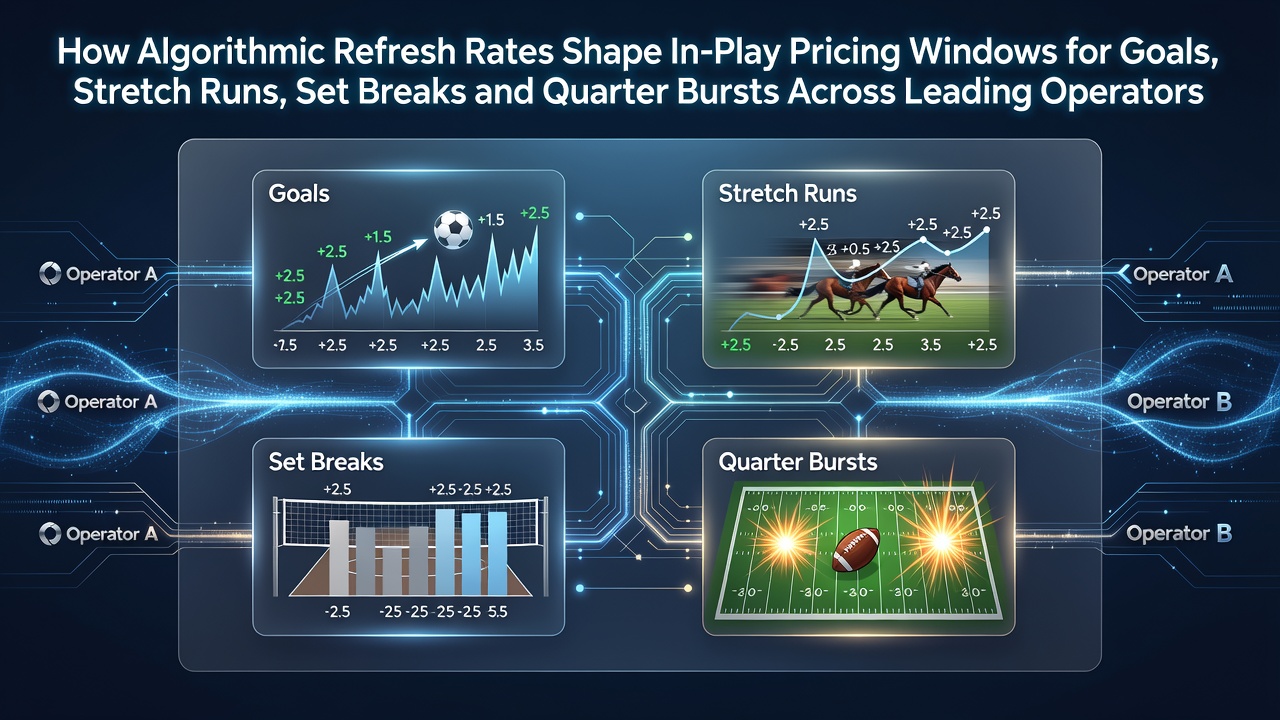
The Role of Algorithmic Refresh Rates in Shaping In-Play Odds for Goals, Finishes, Breaks, and Quarters at Top Betting Platforms
Algorithmic refresh rates determine how frequently betting platforms recalculate and display live odds during key moments such as soccer goals, horse racing stretch runs, tennis set breaks, and basketball quarter bursts, and these intervals vary across major operators based on their data infrastructure and risk management protocols. In July 2026 operators continued to refine these systems as they processed higher volumes of real-time inputs from stadium sensors, player tracking devices, and external data feeds.
Core Mechanics of Refresh Rate Systems
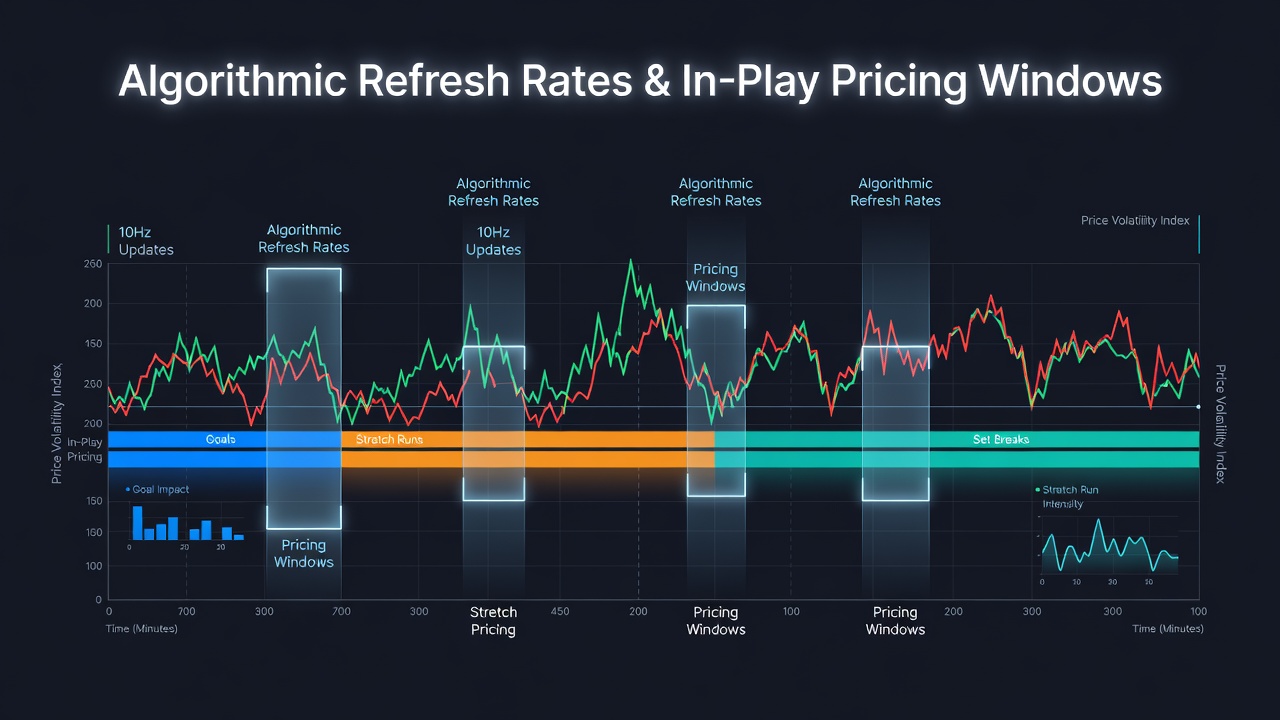
Leading platforms maintain dedicated servers that ingest live event data at intervals ranging from sub-second to several seconds depending on the sport and market type, while internal algorithms apply statistical models to adjust prices before pushing updates to user interfaces. Observers note that shorter refresh cycles create narrower pricing windows because odds shift almost immediately after an event trigger like a goal or a break of serve, whereas longer cycles allow brief periods where prices remain static and accessible for placement. Data from industry reports shows these differences stem from choices in cloud architecture and latency optimization rather than any single regulatory mandate.
Soccer Goal Windows Across Operators
When a goal occurs in a live soccer match the refresh rate dictates how quickly associated markets such as next goalscorer or total goals update, and platforms with sub-second cycles tend to close or adjust those lines within one to two seconds while others maintain the prior price for three to five seconds. One study released by the Canadian Centre on Substance Use and Addiction examined timing variances in European and North American markets and found measurable gaps in the duration available for in-play wagers immediately after scoring events. Those gaps arise because some operators batch multiple data points before recalculating whereas others process each goal notification individually and then apply margin buffers.
Racing Stretch Run Adjustments
Horse racing platforms handle stretch run updates by refreshing odds on win, place, and exotic bets as the field approaches the finish line, and refresh rates here often range between 500 milliseconds and two seconds because photo-finish systems feed additional verification data into the algorithms. Research conducted at the University of Nevada, Reno documented how operators with faster cycles tighten prices earlier during the final 400 meters while slower systems leave brief windows open until the official result confirmation arrives. The variation matters because punters monitoring multiple books simultaneously encounter different closing times for the same race outcome across different platforms.
Tennis Set Break and Basketball Quarter Dynamics
Tennis operators apply refresh algorithms during set breaks to update game totals, set winner, and point spread markets, and these updates typically occur within one to four seconds after a break is confirmed because serve speed and point sequence data arrive in rapid succession. Basketball platforms meanwhile manage quarter burst pricing by refreshing totals and player performance lines after each scoring run, with cycles as short as 800 milliseconds on some sites and up to three seconds on others. A 2025 industry analysis from the European Gaming and Betting Association highlighted that these timing differences create distinct windows where accumulator builders can lock in prices before the next surge or timeout alters the underlying probabilities.
Comparative Operator Performance
Across major platforms the fastest refresh implementations appear in markets with high liquidity and direct data partnerships, whereas smaller or regional operators often rely on aggregated feeds that introduce additional processing delays of one to two seconds. Figures released by the Australian Communications and Media Authority in early 2026 indicated that average update latency for in-play soccer and basketball markets ranged from 1.2 seconds at the quickest providers to 4.8 seconds at those using secondary data layers. Those differences translate directly into the length of time a price remains available after a goal, a stretch run surge, a set break, or a quarter scoring burst.
Conclusion
Refresh rate algorithms therefore function as the primary gatekeepers for in-play pricing windows across leading operators, and the measurable variances in update speeds continue to shape how quickly odds respond to goals, racing finishes, tennis breaks, and basketball bursts. Observers tracking these systems in July 2026 noted ongoing investments in direct sensor integration and edge computing that further compress those intervals at the top tier of the market.